
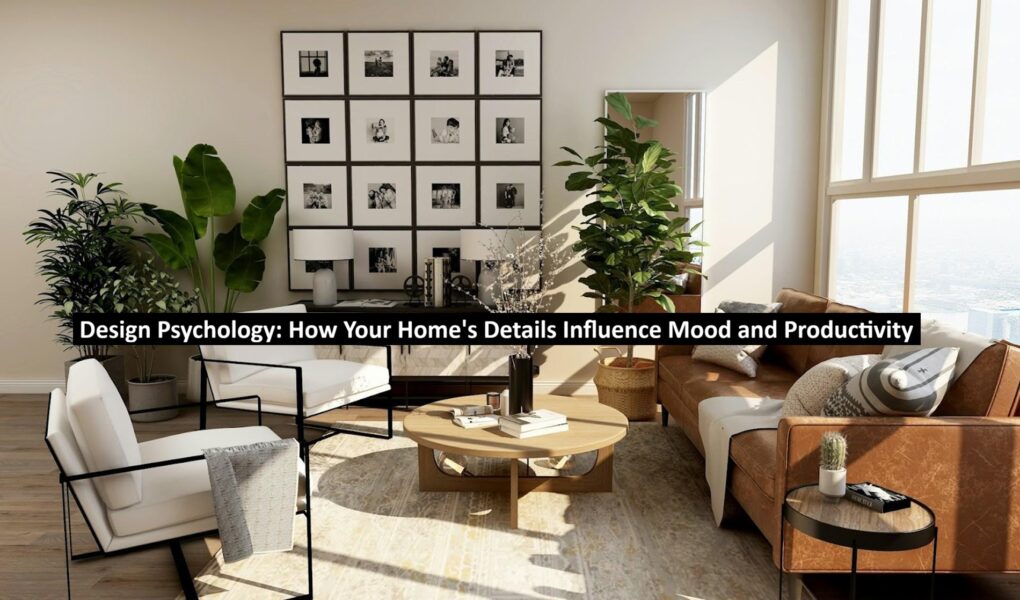
The space we live in shapes so much more than our daily routines – it influences our emotions, energy levels, creativity, and more. Design psychology digs into this tight link between our surroundings and our state of mind. Once you understand how something as minor as a color palette or where you put a chair can affect your mood or boost focus, you get the hang of creating a harmonious, inspirational living space.
The Foundations of Design Psychology
Why Where We Live Shapes Behavior
Design psychology rests on a simple idea: our brains pick up on signals from what’s around us – sometimes we notice, most of the time we just react. Light, color, texture, proportions – these all shift the way we relax or tense up, whether we can focus or just space out. Just as current handbag color trends favor earthy browns and calming pastels, your home’s details influence mood by using similar hues to create serene sanctuaries. Get it right, and a room can ease your nerves, get the creative juices flowing, and keep you dialed in.
These relationships stem from our evolutionary history. People often prefer spaces that feel a little open but not exposed, comfortable but not dull, visually balanced but not bland. It’s old instincts at work. When a space ticks those boxes, our minds settle down. When it doesn’t – you know that weird tension or restlessness that creeps in – we can’t always name it, but it leaks into our behavior and productivity.
Design as a Tool for Emotional Regulation
The interior we choose ends up as a kind of background to our mood. A good setup can give you headspace for calm or offer a little boost when you need it. A peaceful bedroom sets the stage for better sleep, which winds up sculpting your mood and focus the next day. An organized kitchen just makes it easier to stick to good routines. Even a bright work nook can boost your thinking.
So design isn’t just about how things look; it comes down to how things work for us. That lamp on your desk or even the pull on a door – these tiny details can swing your mood, sometimes without you noticing.
Read: Building a Professional Makeup Kit: Tools, Products, and Budget-Friendly Options
Color Psychology: More Than Just Aesthetic Choice
How Color Influences Emotion and Perception
Color’s got more pull on our heads than we usually admit. Cool shades – think blues, greens – tend to calm things down and help with focus. The perfect gift for loved one often considers how a home’s details influence mood, like calming colors or soft lighting that transform any living space. They’re kind of perfect for places you want to unwind or get something done, like a bedroom or home office. Warmer colors (reds, yellows, oranges) do pretty much the opposite; they ramp up the energy and can make the kitchen or resting spot feel lively.
Colors also affect our sense of space. Lighter shades can stretch out a room, make it breathe a little. Darker colors dial up the drama and coziness, though too much can get oppressive. Once you catch onto these effects, you can start tweaking things so your home feels a certain way, strictly based on the palette you pick.
How to Pick Colors That Actually Work For You
One person’s energizing yellow is another person’s sensory overload. What calms you might bore someone else. People who get anxious might lean toward quiet, muted colors and not much variation, just to keep things soft on the senses. If you crave a boost, pops of brights or even just a wild accent wall can do the trick.
The best setups usually mix it up: subtle basics for calm, with targeted hits of bold color to keep things interesting. When you’re paying attention to how you react to color, it becomes less about some design rule and more about setting the tone you actually want at home.
Lighting: The Secret Weapon for Your Mood
Natural Light as a Cognitive Enhancer
Lighting pretty much rules the mood in any room. Getting enough real daylight is hard to beat: it keeps your body clock in check, helps clear your head, and gets you working better. Rooms with big windows feel open, lighter, and easier to be in.
More sunshine isn’t just about feeling awake; it can help you sleep better, too, and sleep drives just about everything – sharper focus and steadier moods. If you don’t have perfect windows, bouncing the light around with mirrors or pale walls can still crank up the brightness way more than you’d expect.
Layered Lighting for Balanced Functionality
Natural light doesn’t always cut it, and that’s where layering in lamps (different types, all working together) changes the game. Your main light sets the base mood. Then you layer on task lights for reading, cooking, or work. Accent lighting jumps in for little details or a punch of shape and interest.
How warm or cool your bulbs are makes a real difference. Warmer lights help you relax, cooler ones wake up your brain. So your work setup probably wants cool light to keep you sharp, while you’ll get more out of your living room with warm, softer light that helps you wind down.
Textures, Materials, and How They Shape Comfort
Textures and materials give off little sensory signals that change how a space feels, whether you notice it or not. Sink into something soft like wool or cotton, and chances are you’ll feel calmer – no wonder they’re everywhere in bedrooms or living rooms. But hard stuff like metal, glass, or polished stone brings a whole different mood: cleaner, sharper, maybe a little cold, but always organized and crisp.
Mixing up smooth with rough or soft with natural keeps a room from feeling flat. If everything matches too much, sure, it can look eye-catching – but deep down, something is missing.
Biophilic design – it’s just a fancy way of saying “let nature in.” But the effects can be real. Wood, plants, stone, and woven fibers help nudge your body into a calmer state. This connection can be associated with lower heart rate levels and improved attention.
You don’t have to renovate the entire space to get the benefits. Adding something simple – a wooden side table, a plant in the corner – shifts the whole mood of a room. Places filled with natural materials just seem to settle the nerves and offer a kind of peace you can actually feel.
Furniture Placement and How Space Moves
If furniture isn’t where it makes sense, everything feels just a little bit off. Blocked hallways or random furniture can make a room feel tense or even exhausting. But if you can move through a space without thinking – or reach what you need without zig-zagging around – it instantly feels lighter. For work, that’s huge. A desk that looks out a window feels worlds better than facing the wall. Grouping seats together instead of letting them drift apart invites people to actually talk to each other. Making simple lifestyle changes to your home’s details, like optimizing natural light and decluttering shared spaces, can significantly influence your mood and daily productivity.
Today, homes rarely have a single “purpose.” They’re offices, gyms, man caves. Zone up space with different areas (a cozy reading spot, a no-mess workspace, a family dining zone). It’s less about square footage and more about giving each part its own mood. When that’s done right, life inside feels less scattered.
Clutter, Organization, and Cognitive Load
Too much stuff lying around can hit harder than you think. Visual mess adds an annoying hum to your brain; even shut-away jumble in drawers piles on a kind of mental drag. Suddenly, it’s tougher to unwind – or even focus at all.
The fix isn’t strict minimalism. It’s a place for everything, with enough closed storage to keep surfaces tidy. Hidden clutter counts too; if simply owning something makes you feel crowded, it may be time to let it go.
Sticking to matching bins or building in storage helps more than you might expect. Showing off only the items that matter – clears space in your head, not just your house. When things feel orderly, it’s easier to actually do the things you want, distraction-free.
Conclusion
Design psychology isn’t just about what looks good. It’s about shaping how you feel and think at home. Most people overlook those little decisions – the layout, the textures, the designer door handles – but each one nudges your mood or sharpens your focus. You shape your space, and your space shapes you, even if you only notice it after you change something and suddenly everything feels different.