
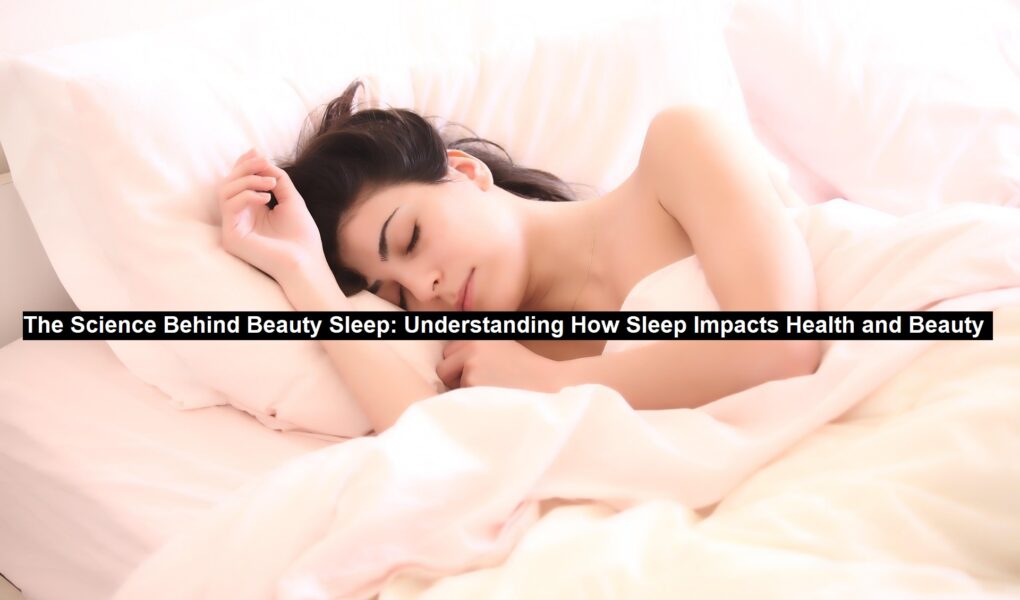
In the pursuit of productivity and success, many professionals sacrifice sleep. Sleep, however, is important for health and beauty, serving a more important role than simply a luxury. The term “beauty sleep” is oftentimes dismissed and downplayed. Science shows that sleep is essential for one’s health, especially one’s beauty. Understanding the science behind beauty sleep reveals that simple lifestyle changes, like maintaining a consistent slumber schedule, optimize cellular repair and collagen production for skin health. From glowing skin to efficient bodily functions, sleep quality greatly influences one’s overall wellness. In this piece, we elaborate on the relationship between sleep, health, and beauty, incorporating practical advice throughout.
An Active, Health-Boosting Sleep State
Sleep is far from a passive state of rest. Rather, it is a proactive phase that involves important biological functions. The following processes highlight some of the critical recovery functions the body goes through:
- Healing and Repair: The body goes through healing and repair during sleep, especially during deep sleep, skin cells repair and recovery.
- Growth: Sleep greatly fosters the body’s wellness. Vital hormones, such as the growth hormones, help repair and maintain bodily processes.
- Waste Clearance: The body recovers and clears a large amount of waste that builds throughout the day from mental activity and stress, detoxifying the brain.
- Improving Immunity: Sleep fosters the body’s defenses, supporting important processes that protect the body from inflammation and infections.
These processes are important not just for your health but for your skin health, maintaining a youthful, glowing appearance.
Read: The Benefits of Having a Power Lift Recliner Chair at Home
Your Sleep and Skin
Your skin is not only the largest organ in your body, but it is often the very first organ to reflect the impacts of sleep deprivation. Here’s a more specific review of the effects of sleep on your skin.
1. Production of Collagen and Prevention of Skin Folds and Lines
Collagen is known as a protein which helps in stretching and tightening of the skin. Sleep, and especially deep sleep, helps the body to increase collagen production which in turn helps lessen the appearance of fine lines and skin folds. Chronic sleep deprivation on the other hand, leads to premature aging, sagging skin, and greater signs of fatigue, especially in middle aged and older women. Exploring the science behind beauty sleep reveals that cellular repair peaks at night, making weekend self-care ideas like extended rest essential for skin rejuvenation.
2. Water Balance and Skin Barrier Function
Skin lacking sleep becomes dry, dull, and flaky. Sleep also weakens a person’s skin barrier, making it more sensitive to environmental stressors, UV rays, and pollution. Sleep also helps to reorganize collagen and other connective tissue within the dermis to form more effective barriers.
According to Market Research Future (MRFR) Reports, the global market for ‘Beauty sleep’ which includes overnight skincare products is on the rise, reflecting more consumer awareness on the effects of sleep on skin health (MRFR, 2024).
3. Dark Circles and Puffy Eyes
Not getting enough sleep can cause the blood vessels underneath the eyes to widen, resulting in dark under-eye circles. Lack of sleep may also cause an imbalance of fluids, causing the eyes to appear puffy and aged. This, in turn, results in a person looking tired and older than their actual age.
4. Inflammation and Acne
Not having enough sleep increases the body’s production of inflammatory cytokines, which can cause inflammation. This increase in inflammation can worsen skin conditions like acne, eczema, and even psoriasis. In addition, hormonal changes due to lack of sleep can increase the production of oil, clogging the pores and causing acne.
Sleep and Hair Health
Your sleeping habits also affect the health of your hair. Blood flow to the scalp increases overnight, which aids in hair growth. Poor sleep can disrupt this cycle, resulting in thinning hair, breaking, and eventual hair loss. In addition, extra sleep, due to lack of rest, elevates the sleep hormone cortisol. This hormone is associated with telogen effluvium, a condition where hair is lost faster than its regrowth rate.
Sleep and Mental Wellness: Beauty from the Inside Out
Sleep can affect one’s mental health and in turn, the way a person looks and feels. Beauty involves looking good, and feeling good, and also encompasses the person’s overall well-being. Mental well-being is deeply intertwined with sleep.
- Mood stabilization: Appropriate sleep helps manage mood and limit periods of irritability. An adequately rested person is able to show confidence, positivity, and natural beauty with ease and grace.
- Stress relief: Improved sleep helps lower levels of cortisol. This helps with inflammation and flare-ups of inflammation of the skin due to stress.
- Clarity of thought: One is more creative, alert and able to make decisions after sleeping. These characteristics are vital to attaining contentment and growth in life.
- Perfect beauty sleep: This sleep follows routines that the individual we discussed the previous beauty sleep.
Complete the beauty sleep with the following tips. From the above, one can now clearly understand the targeted. Thus, this hopes to balance any skin and menstrual problems and improve the health of the skin and the woman.
1. Improve week by week
Look at how well the person improves week by week at the weekends. Changes that have outperformed the targets are decided by the person, with the control of the person that in.
2. Improve rest
Rest improves the mental clarity by at least twenty percent. Balance this with a diet of a low calorie intake and less vigorous exercise. This is bound to promote beauty and mood.
3. Proper sleeping preparation
Start proper sleeping after finishing the last tasks by taking skincare rituals. This includes applying a glowing strengthening serum and proper moisturizing that fades to nourish the skin overnight. You should also do a facial wash that is followed with a curt treatment mask beforehand that should relax every pore from the day.
4. Refrain from Using any Screen Devices Before Bed
Using a phone or a computer before sleep produces blue light which hinders the production of melatonin. Melatonin is a sleep-regulating hormone. Therefore, try to disconnect at least one hour before sleeping.
5. Be Conscious of Diet and Hydration
In the hours leading up to bedtime, it is best to avoid heavy foods, alcohol, and caffeine. While it is essential to stay well hydrated throughout the day, it is best to limit fluid intake before sleep to cut down on trips to the toilet at night.
6. Relaxation
To help unwind the mind and the body before sleep, calm practices such as deep breathing, meditation, or light stretches can be incorporated. Napping is a form of relaxation which can also be beneficial.
Nighttime sleep is crucial, but short afternoon naps can be beneficial. A short nap of 15 to 30 minutes can help improve one’s energy, and mood, and reduce stress. However, avoid long or late naps, as they can interfere with nighttime sleep.
In Review
In a society that is fixated on fast solutions and expensive beauty products, sleep is the most underrated beauty treatment. It is completely free, incredibly effective, and deeply restorative. To revamp your pearly whites, the science behind beauty sleep suggests that consistent rest regulates oral pH and saliva production, naturally strengthening your tooth enamel. A good night’s sleep allows the body to regenerate, reviving the skin, and hair, and lifting the mood which makes one feel good. In a world that revolves around synthetic beauty, embracing the basics—like good quality sleep—can be the ultimate game-changer.
In case you are looking for a natural way to improve your beauty, don’t skimp on your zzz’s. If you truly want to improve your beauty sleep, your body will reward you with beautiful skin, and healthier hair while improving your focus, all which will make you look much more youthful and glow like a true beauty. True beauty comes from sleep and sleep comes from true beauty.